


31
Mar
13:00
Lorem ipsum dolor sit amet consectetur. Aliquam pellentesque et vel fames id nunc gravida et.
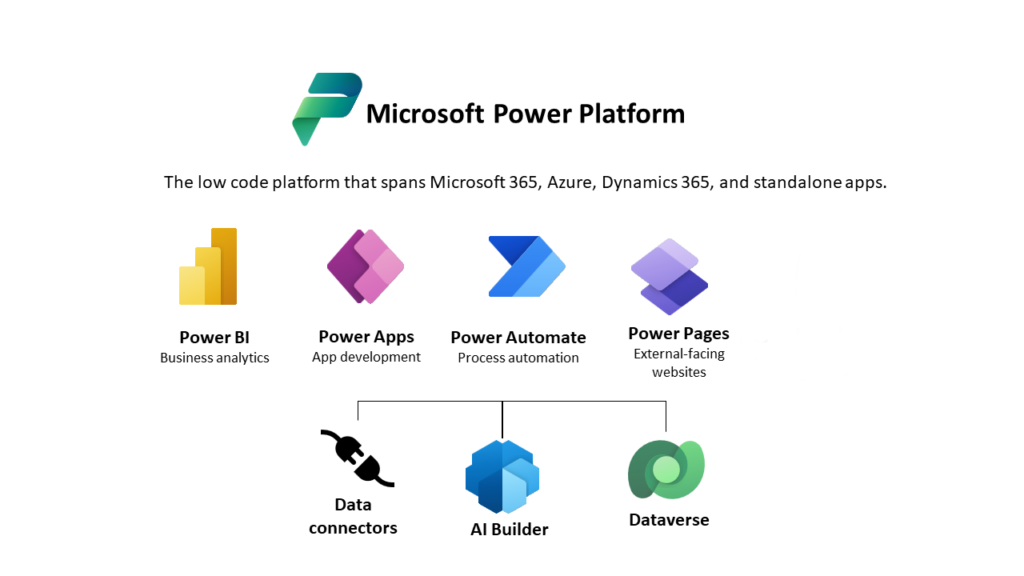
The Microsoft Power Platform is a key tool for organizations that want to digitize and automate processes without large-scale development projects. Power Apps, Power Automate, and Power Pages enable the rapid delivery of modern solutions and actively involve business teams in their design.
Thanks to tight integration with Microsoft 365, Azure, Dynamics 365, and Microsoft Fabric, data from different systems can be connected, centrally managed, and embedded into end-to-end workflows. This creates a scalable environment in which applications, automations, and data services work together efficiently.
While the Power Platform provides the technological framework, its real value becomes clear in practical use cases. Organizations can simplify processes, eliminate media breaks, and make workflows faster and more consistent.
Paper- or email-based processes are transformed into structured apps with automated approval workflows.
Teams build data capture, inventory, service, or checklist apps that are precisely tailored to their workflows.
Recurring tasks such as notifications, reporting, or data synchronization run reliably in the background.
Data from Microsoft 365, Dynamics 365, SQL, ERP, or Fabric is connected and processed automatically—without manual intermediate steps.
While the Power Platform provides the technological framework, its real value becomes clear in practical use cases. Organizations can simplify processes, eliminate media breaks, and make workflows faster and more consistent.
Typical use scenarios include:
Paper- or email-based processes are transformed into structured apps with automated approval workflows.
Teams build data capture, inventory, service, or checklist apps that are precisely tailored to their workflows.
Recurring tasks such as notifications, reporting, or data synchronization run reliably in the background.
Data from Microsoft 365, Dynamics 365, SQL, ERP, or Fabric is connected and processed automatically—without manual intermediate steps.
We analyse existing workflows, identify potential for optimisation, and define processes that are ideally suited for Power Apps or Power Automate.
We develop a technical and functional solution blueprint, select the appropriate Power Platform components, and define data models, interfaces, and permissions.
We build Power Apps, automate workflows with Power Automate, and integrate data sources such as SharePoint, Dataverse, SQL, Dynamics, or Fabric. The solutions are implemented in a user-friendly, scalable, and secure way.
We onboard your employees, train power users to further develop the solutions, and deliver documentation, governance recommendations, and best practices for sustainable operations.
No. The Power Platform is based on low-code principles. Technical understanding is helpful but not mandatory to create simple apps or workflows.
Security is centrally managed within your Microsoft 365 tenant. Governance, permissions, environments, and Data Loss Prevention (DLP) policies are key— and we support you in setting these up properly.
Power Apps and Power Automate enable faster development, lower costs, and stronger involvement of business teams. Traditional projects are often more flexible, but significantly more time- and resource-intensive.
As part of a workshop, we jointly identify processes that deliver high impact with low effort—ideal for getting started with the Power Platform.


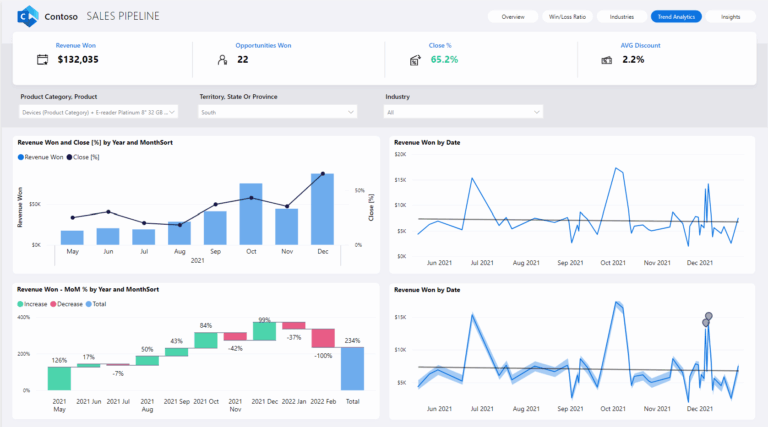
Seilerstrasse 4
3011 Bern
Badenerstrasse 120
8004 Zürich

Subscribe to our newsletter for the latest updates on real estate investments.